Two decades spent on one good bowl of noodles
THRIVISZH
Founded in 2005, Tianjin Flourishing Food Co., Ltd. runs research, production, and sales from a single site — and makes nothing but noodles.
Products ship to more than ten export markets across the European Union, North America, and East Asia. We also manufacture private label for partners in those markets.
The plant holds IFS, HACCP, HALAL, BSCI and RSPO-SG certification, and is registered with Chinese customs as an export food production enterprise.
See more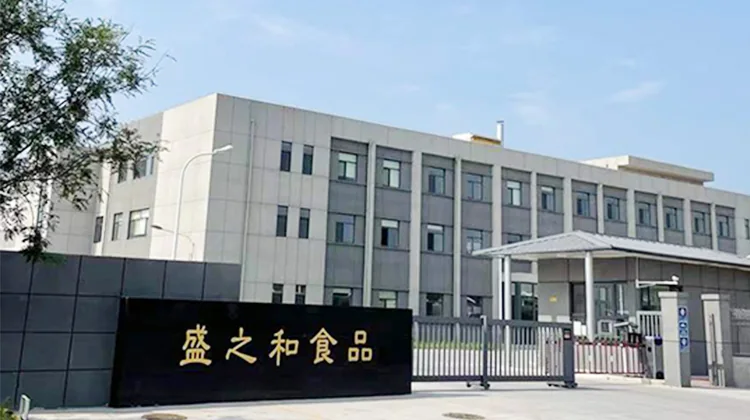
Making noodles since
One site in Tianjin, China
Certifications held
Open to buyer inspection
Export markets
EU · North America · East Asia
Product families
Domestic retail and export OEM
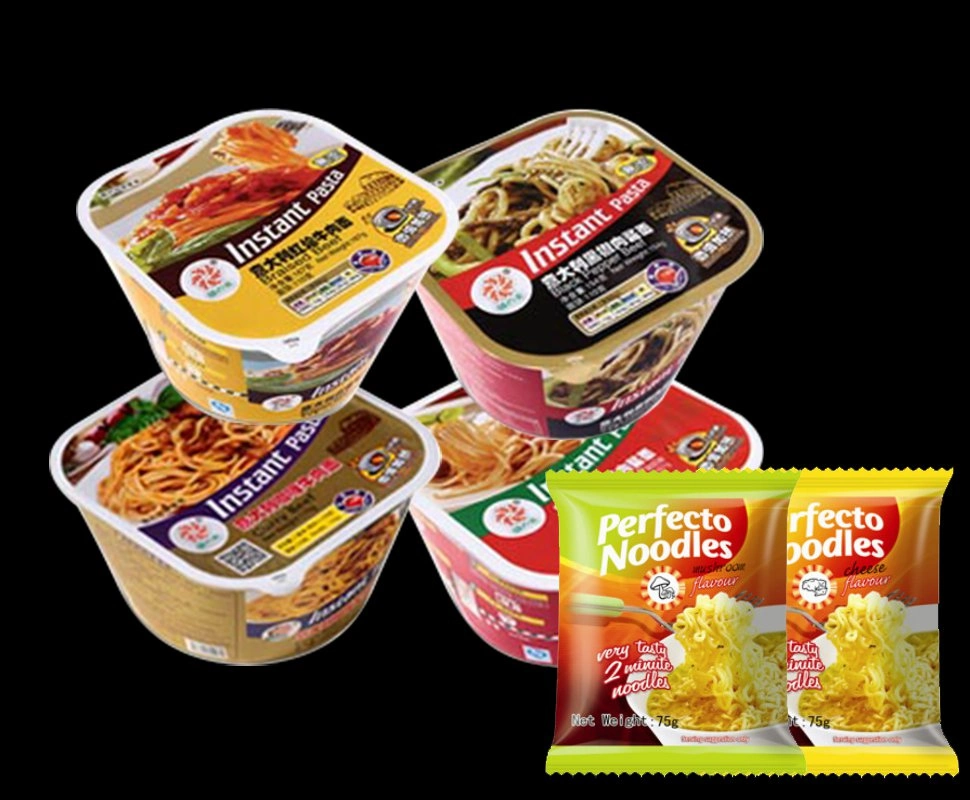
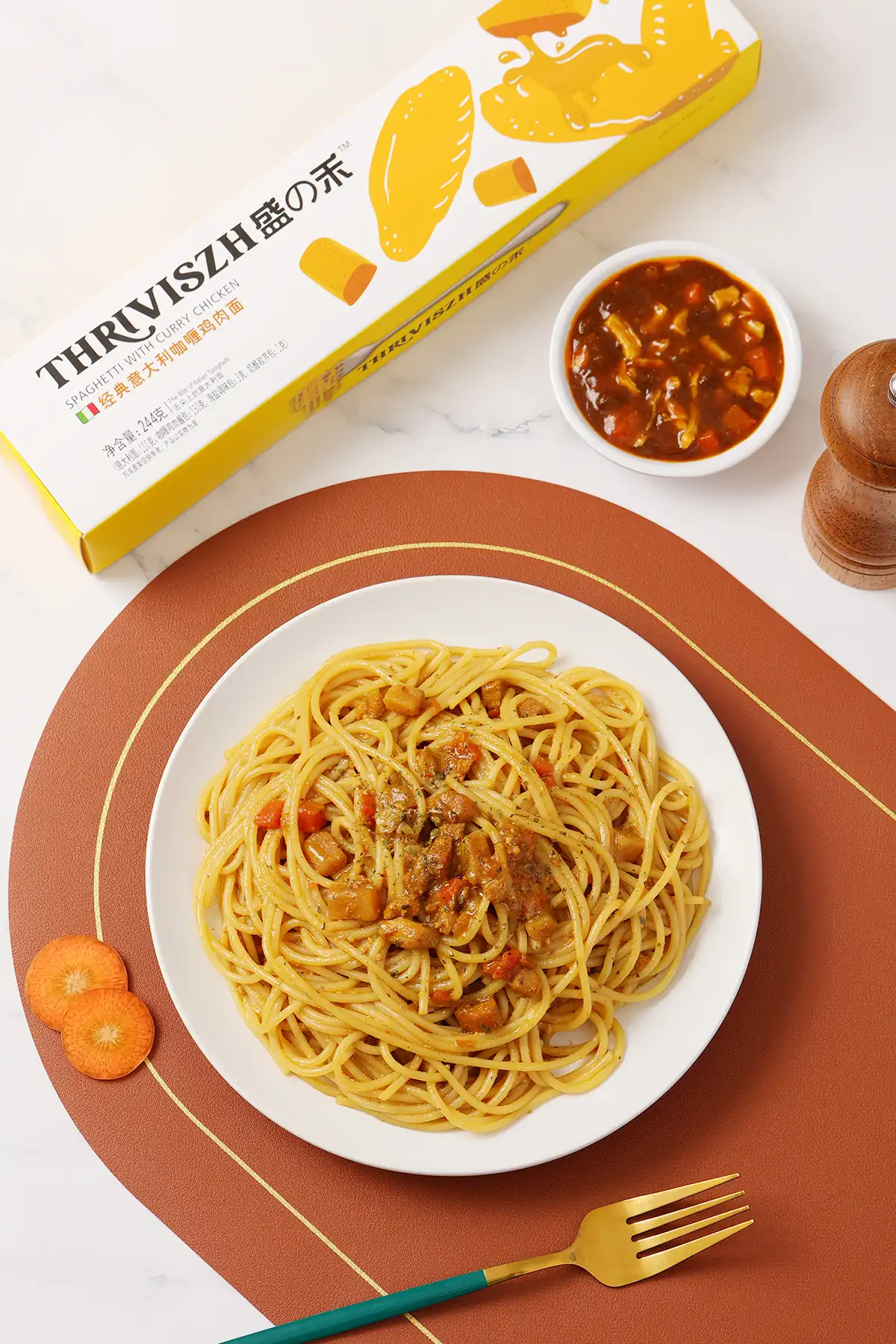
Fifteen families, one factory
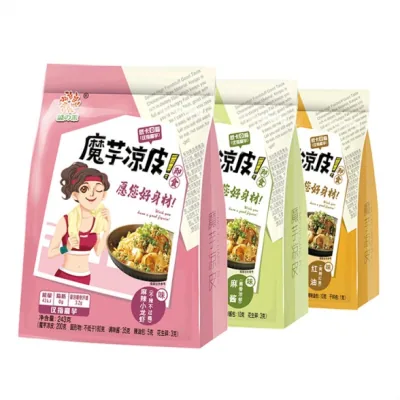
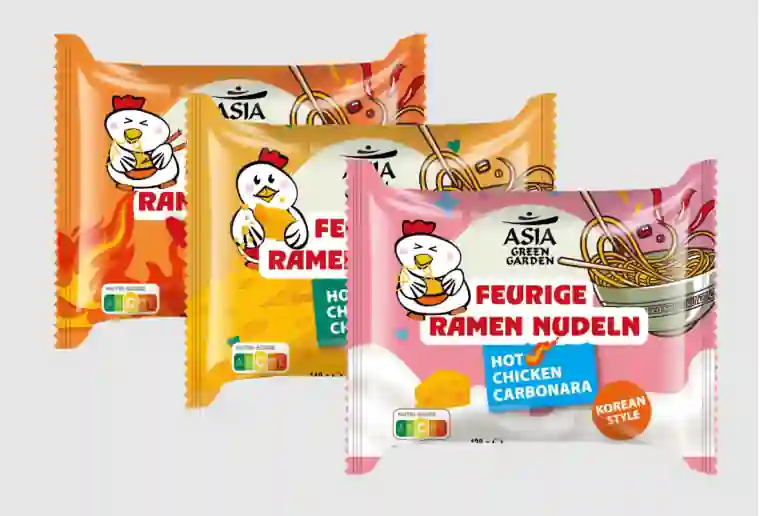
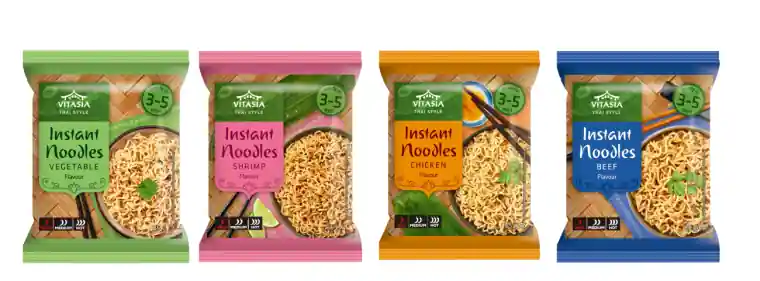
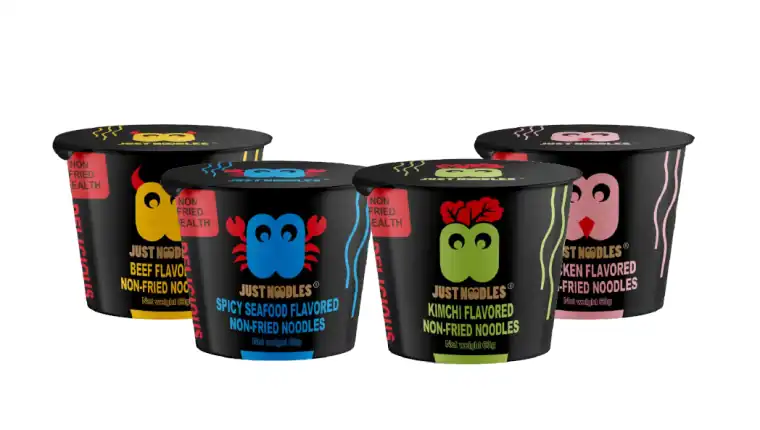
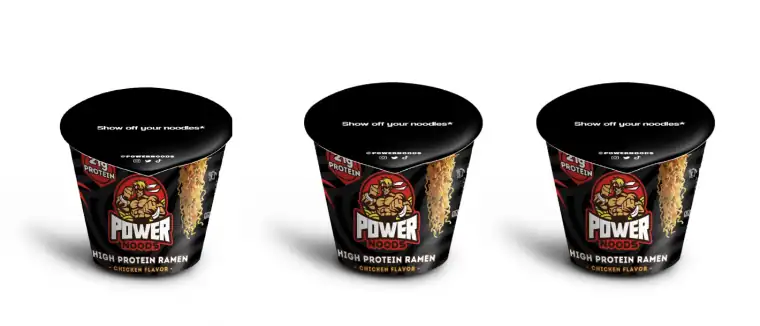
Our own retail range in China, and OEM production for European and US shelves — all developed, produced and packed on the same site.
Domestic retail
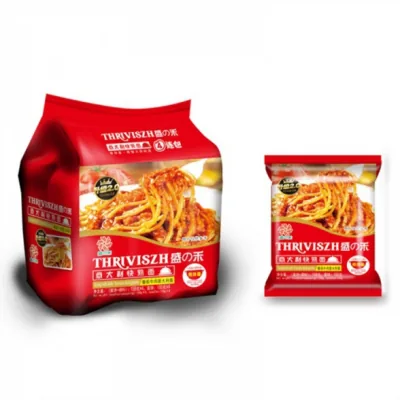
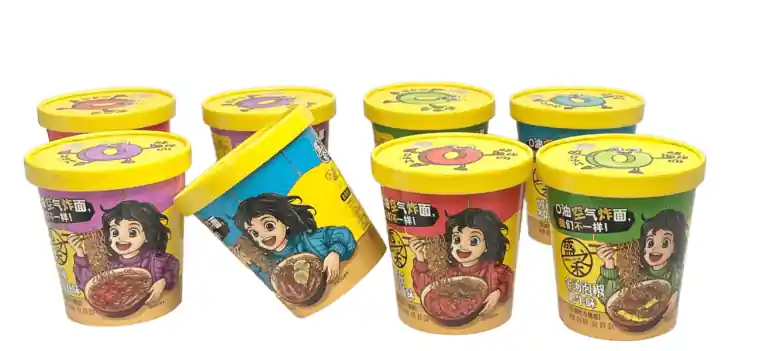
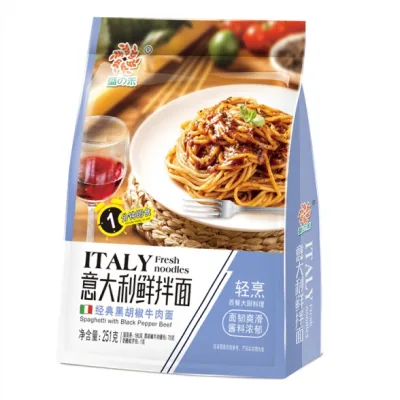
Export OEM
Certified for export
Held by the plant and open to inspection.
- IFSInternational Featured Standards — the food safety audit European and North American retail buyers check first.
- HACCPHazard analysis and critical control points, applied across every production line.
- HALALHalal certification for markets that require it.
- BSCISocial compliance audit covering labor conditions at the plant.
- RSPO-SGSegregated sustainable palm oil supply chain certification.
- Export filingRegistered with Chinese customs as an export food production enterprise.
THRIVISZH
Value in
every bowl
Every step of the process controlled.
Ready to talk volumes?
Specification sheets, test reports, samples and quotes are sent on request. Replies come from a person in Tianjin.
Contact us